A Practical Guide to Leather Care: Extending the Life of Your Bags
Learn essential leather care techniques to keep your bags looking pristine. From cleaning basics to conditioning and storage tips, this guide helps you extend the lifespan of your leather pieces.
Leather remains one of the most coveted materials in the world of bags, celebrated for its natural patina, resilience, and quiet luxury. Yet leather is also a living material that requires thoughtful care. A well-tended bag doesn’t simply endure trend cycles; it accrues character—a signature of use that tells a story about the person who carries it. In this guide, we invite you to approach leather care with the same discipline you apply to a timeless wardrobe essential: with an eye for detail, a respect for the material, and a belief in sustainable ownership.
This article expands on leather terminology, a practical care starter checklist, and material-specific maintenance strategies. While the focus is practical, the voice remains editorial and aspirational—the kind of guidance you would seek from a seasoned fashion confidant who understands both craft and lifestyle needs.
Leather 101: Understanding your material
Leather comes in a spectrum of finishes, suiting different aesthetics and practical needs. The most common families include smooth, grained, and treated leathers, each with its own care requirements.
- Full-grain leather: The natural outer layer, prized for durability and a distinctive grain. It develops a rich patina over time and generally tolerates conditioning well, though it benefits from gentle cleaning and protection from excessive moisture.
- Top-grain leather: A refined surface with a uniform feel. It accepts conditioners nicely and often wears evenly, showcasing a cleaner silhouette as it ages.
- Corrected-grain or patent finishes: Treated surfaces offering consistent appearance and easier cleaning, but sometimes less forgiving of aggressive abrasion.
- Suede and nubuck: Velvety textures that require specific brushes and cleaners to maintain nap and color. They are more sensitive to moisture and stains, demanding consistent protective care.
A practical starter checklist: quick-care steps
- Dry clean or brush-off: Start by removing surface dust and dirt with a soft brush or dry microfiber. For finished leather, a quick wipe with a slightly damp cloth can remove surface grime, but avoid soaking the material.
- Spot testing: Before applying any cleaner or conditioner, test in a discreet area to ensure colorfastness and finish compatibility.
- Choose the right cleaner: Use a cleaner formulated for leather when dealing with stains or embedded dirt. For regular maintenance, a mild saddle soap or leather-specific cleaner is often sufficient.
- Conditioning basics: Conditioning replenishes natural oils that keep leather supple. Apply a small amount evenly with a soft cloth, working in circular motions. Avoid over-application, which can lead to a sticky or oily finish.
- Drying and curing: After cleaning or conditioning, let the bag air-dry away from direct heat or sunlight. Use a breathable, lint-free cloth to blot excess moisture and help maintain shape.
- Protection and storage: Protect accessories with a breathable, water-repellent product recommended for your leather type. Store bags upright in dust bags, away from direct light, and filled with tissue paper to maintain form.
Conditioning fundamentals: keeping leather supple
Conditioning is not a one-size-fits-all ritual. It’s a disciplined routine that adapts to the finish and age of your bag. The right conditioner should restore lubricity, help resist cracking, and maintain natural flexibility without darkening the leather excessively.
- Choose responsibly: Opt for color-safe, vegetable-tanned, or neutral conditioners designed for the leather type. If you’re unsure, a professional recommendation from a reputable brand can be valuable.
- Apply evenly: Use a soft cloth to apply a thin, even layer. Let the conditioner absorb before buffing with a clean cloth to a subtle sheen. Excess residue can attract dust or create a dull, sticky surface.
- Timing matters: Conditioning frequency depends on climate and use. In dry or heated environments, you may condition every 3–6 months; in temperate climates with regular use, semi-annual care often suffices.
Material-specific care: leather types and best practices
Understanding the leather type helps you tailor your approach. Here are practical guidelines for common finishes you may encounter in luxury and everyday bags alike.
- Smooth or corrected-grain: Clean with a mild leather cleaner, condition sparingly, and protect with a breathable finish. Avoid wax-based polishes that can darken or obscure the finish.
- Nubuck or suede: Brush with a suede-nubuck brush to lift nap and erase marks. Use specialty suede cleaners for stains and a protective spray designed for nubuck. Always blot spills promptly and avoid saturating the surface.
- Semi-aniline or aniline: These finishes reveal more natural grain and age gracefully. Clean with care and condition lightly to maintain the patina while avoiding heavy builds of product that can yellow or darken.
- Patent or coated leather: Wipe with a damp cloth and use a light, non-abrasive conditioner only if recommended by the brand. Avoid abrasive polishes that can scratch the surface.
Storage strategies: preserving shape and color
When not in use, bags deserve a throne of their own—an environment that respects their form and color. Proper storage reduces dust accumulation, prevents sun fading, and preserves hardware integrity.
- Stuffing: Use acid-free tissue, or the original stuffing if available, to maintain shape. Avoid crumpling that can induce creases or distort the structure.
- Dust bags: Store in breathable cotton dust bags rather than plastic covers to prevent moisture buildup and mold.
- Environment: Keep away from direct sunlight, heat sources, and high-humidity areas. A cool, dry closet or a dedicated shelf is ideal.
- Hardware care: Ensure metal hardware is dry to prevent corrosion. If tarnish appears, consult the brand’s guidelines or a professional leather care expert before attempting removal yourself.
Care rituals for interiors and edges: protecting the details
The interior of a bag is often as telling as the exterior. Regular emptying and careful cleaning of linings safeguard against odors and stains that can transfer to the leather.
- Lining care: Gently wipe linings with a damp cloth or use a fabric-safe cleaner if permissible. Let it dry fully before reassembling.
- Edge sealing: Some leather goods feature painted or sealed edges. Refrain from aggressive moisture exposure near edges; if wear occurs, consult a professional for edge repair options.
- Hardware refresh: For zippers and clasps, wipe with a dry cloth and, if necessary, apply a compatible lubricant recommended by the brand to maintain smooth operation.
Sustainability: why care extends beyond aesthetics
Caring for leather is also a disciplined act of stewardship. Prolonging a bag’s life reduces the environmental footprint of fashion and supports a more responsible approach to ownership. Thoughtful care aligns with a broader lifestyle that values longevity, repair, and refashioning over disposability.
In a world of fast fashion, leather care offers a quiet, luxurious counterpoint—a reminder that beauty emerges not only from what we buy but from how we treat what we already own. By embracing maintenance rituals, you contribute to a philosophy of mindful consumption that resonates with sustainability-minded readers.
Quick-reference glossary: terms you’ll encounter
- Patina
- The natural, evolving sheen that develops on leather with age and use.
- Top-grain
- Leather from the upper portion of the hide with a refined surface.
- Nubuck
- A brushed, velvet-like finish on leather, more delicate than finished grain.
- Aniline
- A transparent dye finish that highlights natural grain without heavy surface coatings.
Care routine calendar: a practical plan
A simple, repeatable routine can keep leather in prime condition throughout the year. Customize the cadence to climate, bag usage, and leather type.
- Quarterly: Quick clean, dust-off, light conditioning (especially in dry climates).
- Biannually: Deep clean if needed, targeted conditioning, and hardware checks.
- Annually: Full inspection, edging review, possible professional conditioning or restoration for heavily used pieces.
A note on authenticity and care partnerships
When you invest in a premium bag, you also invest in its aftercare ecosystem. Many brands provide care guidelines tailored to their leather, finishes, and hardware. Following brand recommendations helps maintain warranty protections and ensures compatibility of products. For those seeking a broader education in leather care, select reputable suppliers that prioritize transparency, ingredient safety, and tested performance.
Shop-friendly care: applying knowledge to your purchases
If you’re browsing for a piece that will become a long-term companion, consider finishes that balance beauty with resilience. A well-crafted bag that responds to daily care rituals—paired with a thoughtful care regimen—can become a signature element of your personal style.
We invite readers to view our product selection as a curated wardrobe of essential, durable pieces. The following items exemplify the brand ethos: practical materials, thoughtful construction, and an emphasis on everyday usability.
Related products you might consider
The collection features a harmony of timeless materials and modern practicality. Here are options that align with the leather-care philosophy outlined above, focusing on durable construction and everyday use.
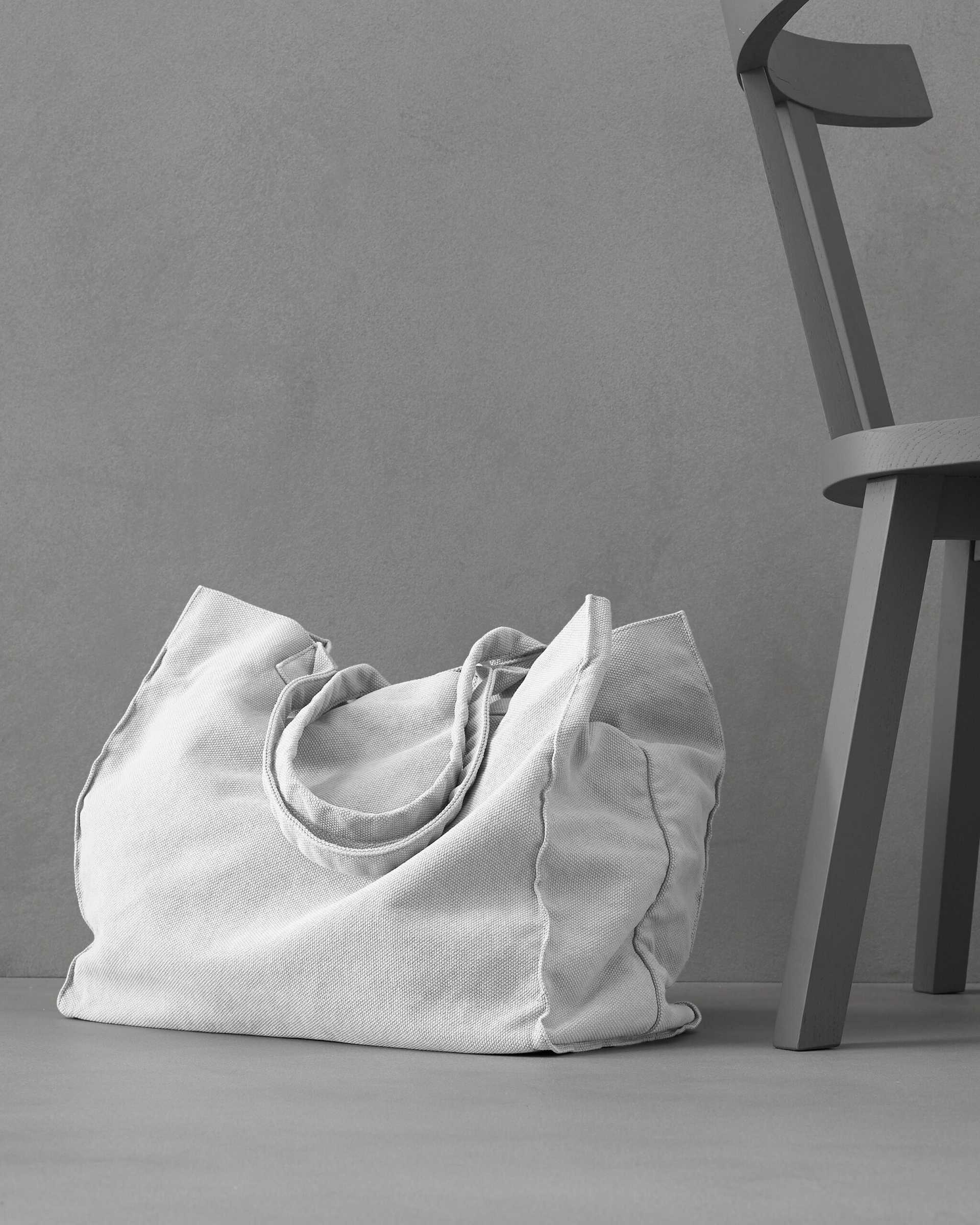
- Drai Hang — Cotton canvas tote with garment-dyed hues; durable, machine-washable, and built for reliable daily use. A modern companion for work, leisure, and travel; the design emphasizes clean lines and a minimalist silhouette that pairs elegantly with leather accessories. Link: Drai Hang
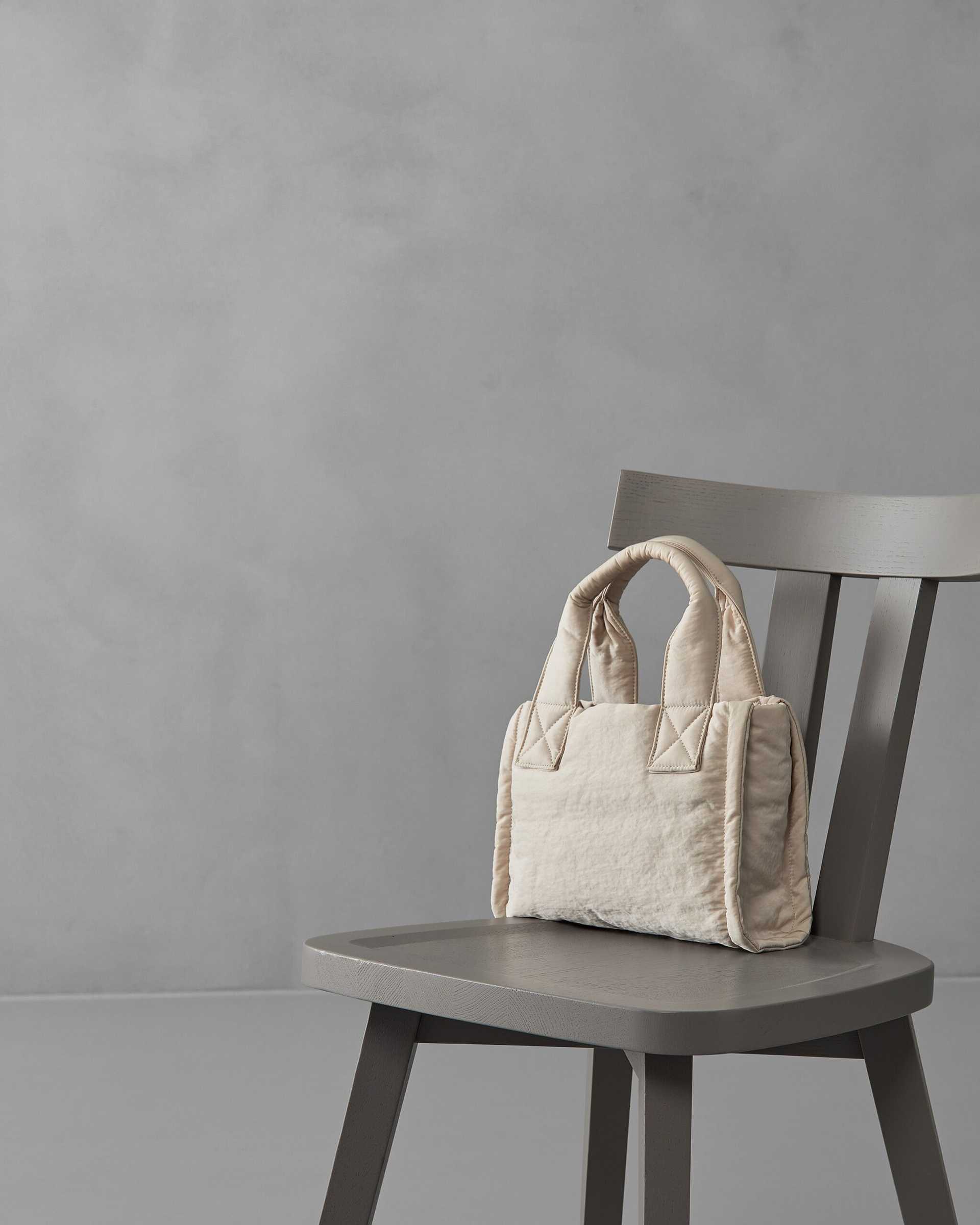
- Vriz Bag — Nylon tote with padded interior, a functional zipper, and versatile sizing for everyday practicality. Its lightweight construction and practical design complement a leather bag by offering a resilient, water-friendly counterpoint. Link: Vriz Bag
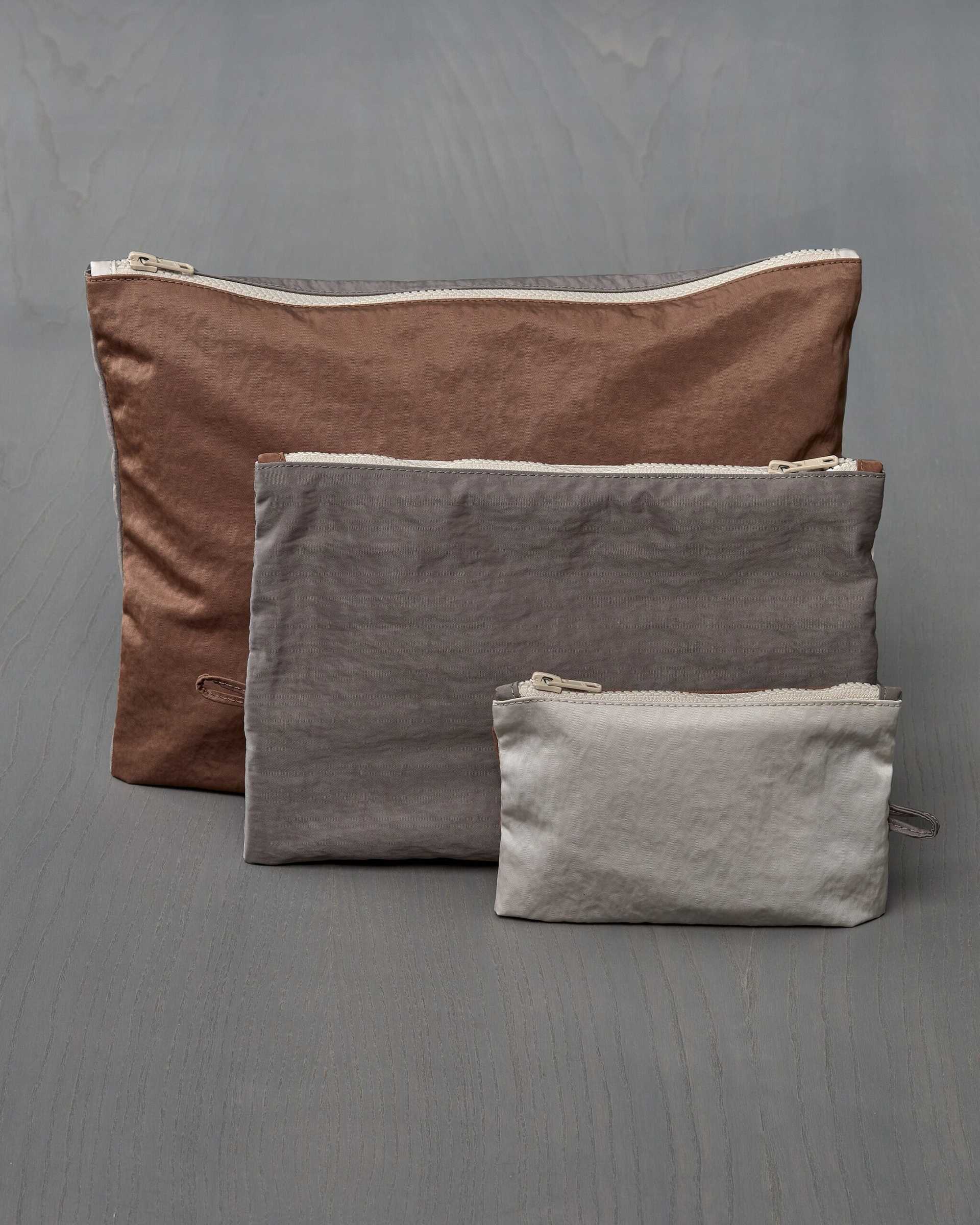
- Vriz Pockets — Nylon wash bags in contemporary colorways, ideal for organizing essentials and protecting belongings inside a leather tote. Link: Vriz Pockets
Further resources
For readers seeking deeper knowledge, we recommend exploring leather care guides from reputable brands and textile authorities. The goal is to build a practical, evergreen knowledge base that informs confident purchase decisions and conscientious upkeep.
- Brand care guides and FAQs for leather goods
- Textile and leather care certifications and standards
- Museums and textile collections that highlight historic leatherwork and accessory design